Why Every Balloon Professional Needs to Talk About Power Line Safety
Here in the UK, we've never had anything like California's balloon legislation, this is a law that's required foil balloons to be sold weighted and warning-labelled since 1990, and which now, under a 2022 update, is phasing in a requirement for foil balloons to be made from non-conductive material by 2031. Incidents like the recent Tithby fire are a reminder of exactly why that legislation exists: when a foil balloon reaches a power line, the outcome isn't just an inconvenience, it's a genuine fire and outage risk. As it stands, the UK relies on guidance and local council release bans rather than manufacturing standards which makes it even more important that we, as an industry, self-regulate through safe practice. BAPIA does not support the release of any balloons.
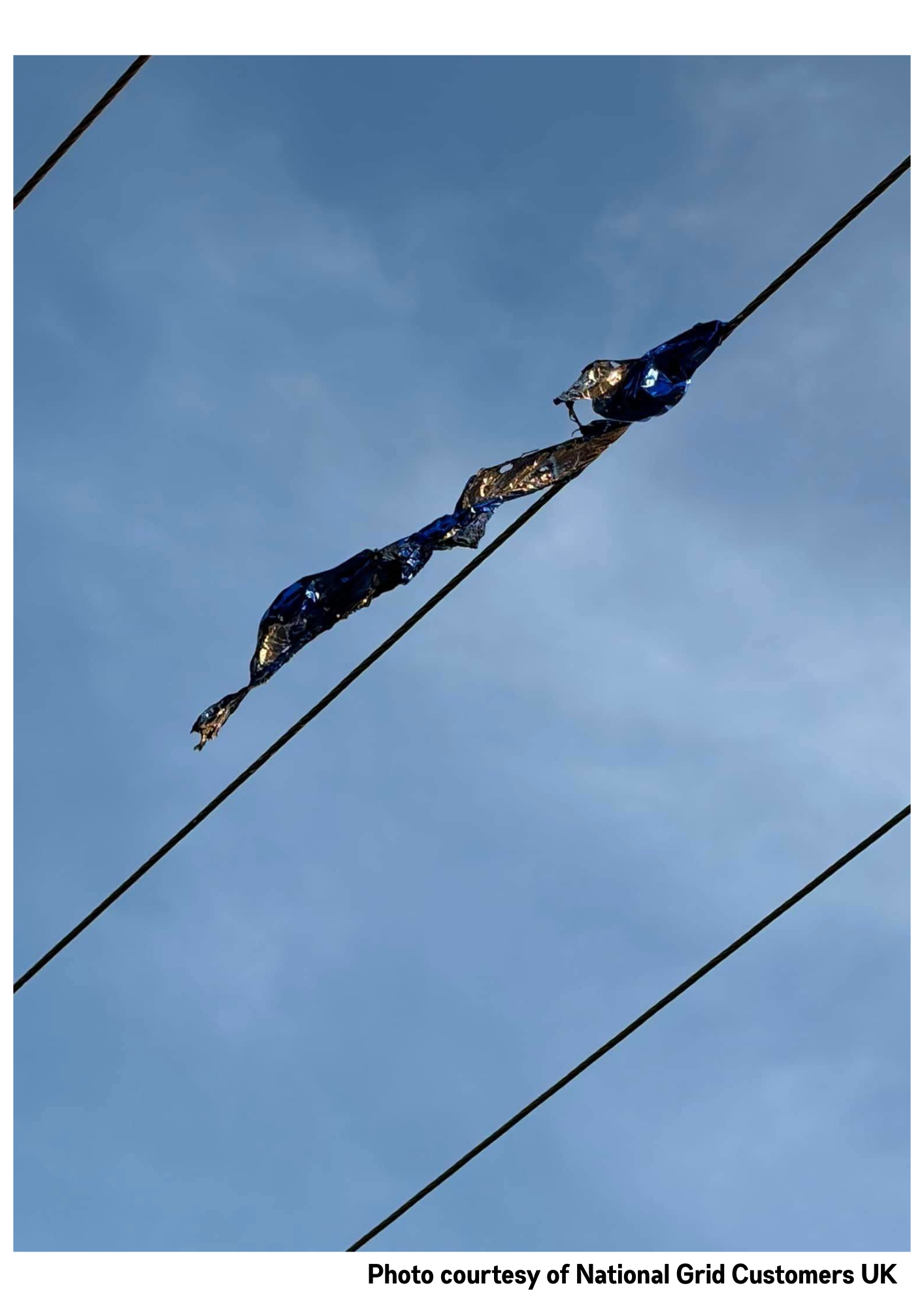
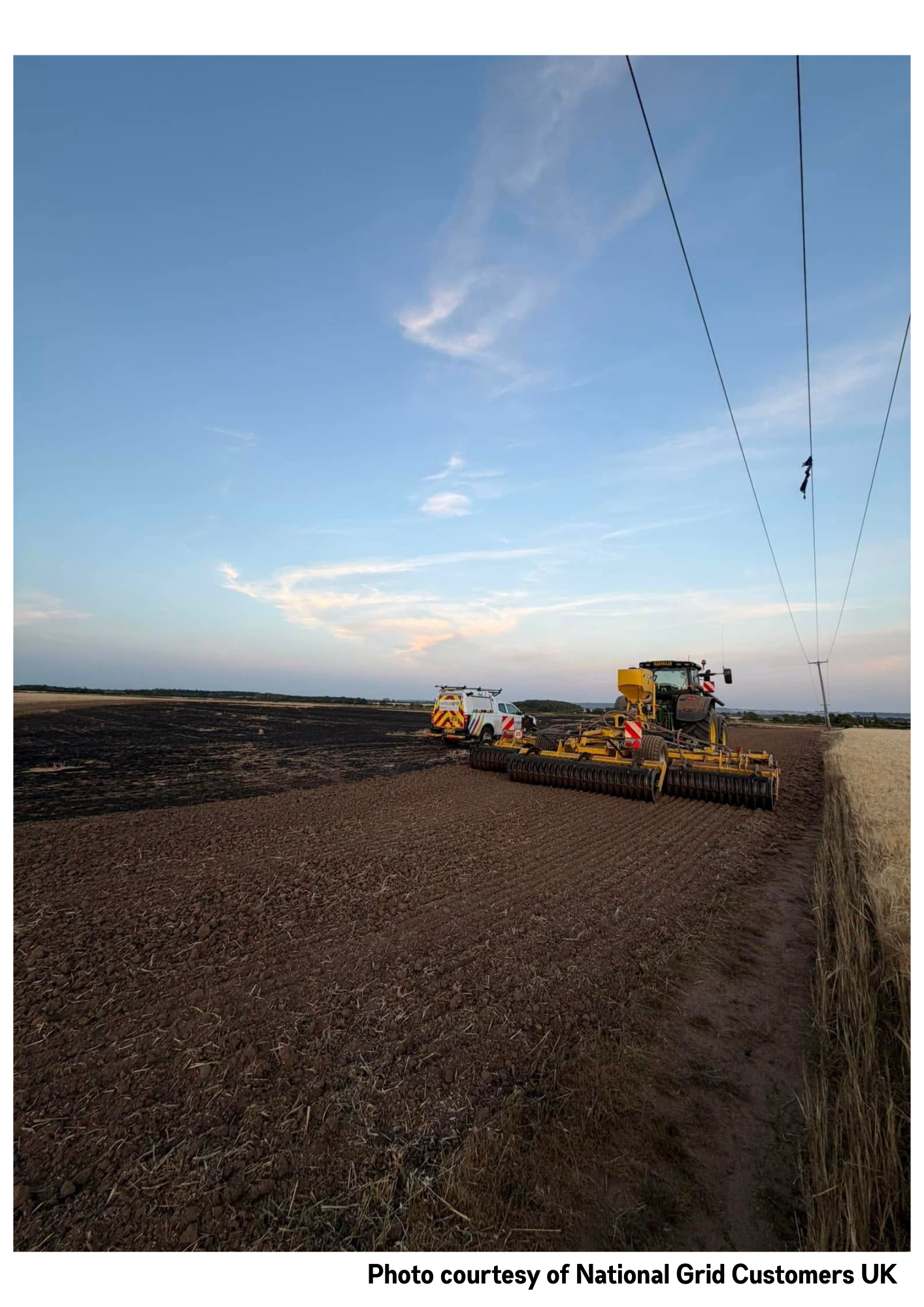
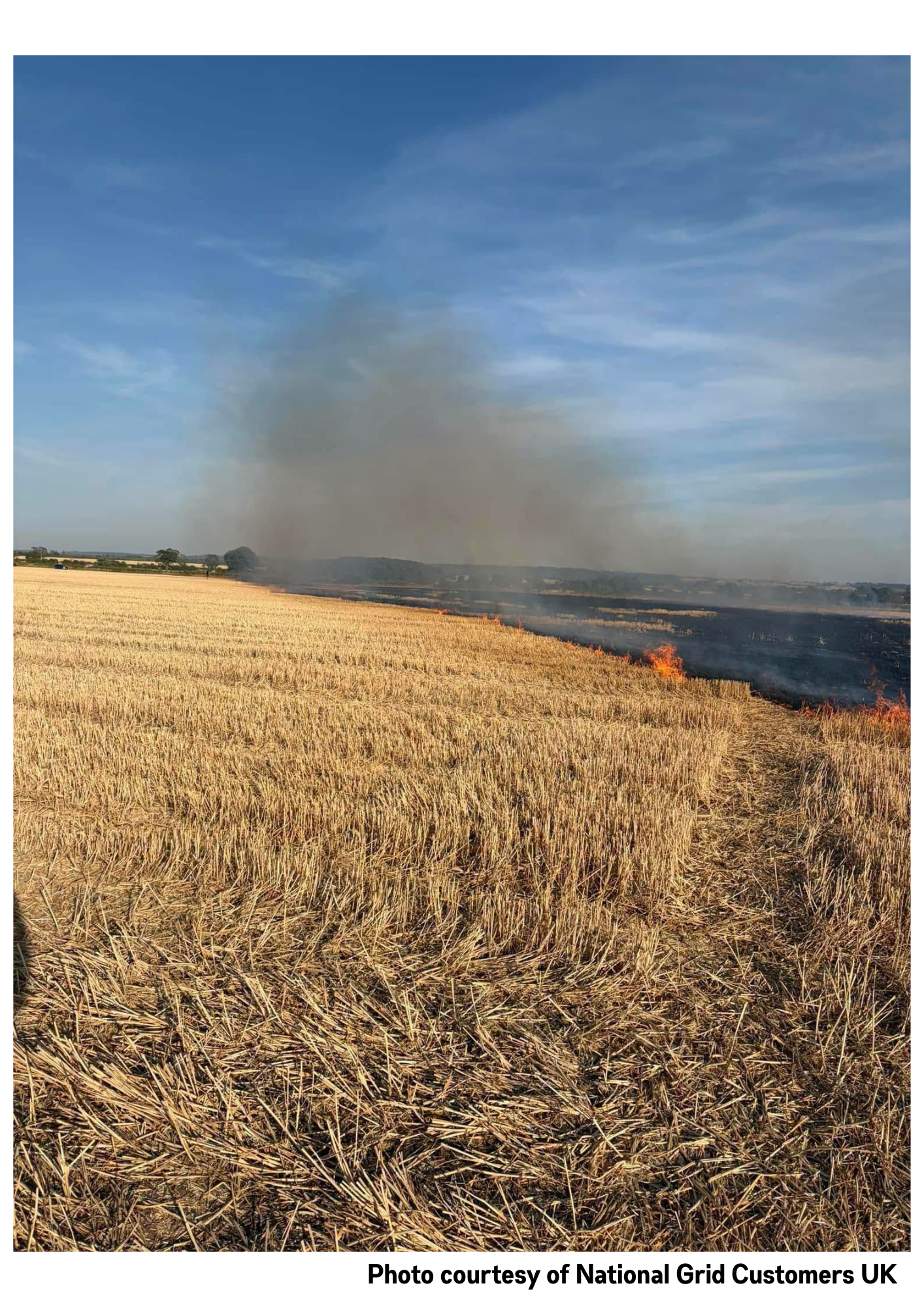
A foil balloon drifted into an overhead power line near Tithby, Nottinghamshire, last month and within seconds, sparks had set a farmer's field alight. Nottinghamshire Fire and Rescue Service sent crews with hose reel jets and beaters to bring it under control, and 271 homes briefly lost power while engineers made the line safe.
It's a striking reminder of something we, as balloon professionals, are uniquely placed to prevent.
Why foil balloons are the problem
Foil balloons are wrapped in a thin metallic coating, and that coating conducts electricity. When one touches or gets caught in a power line, it can create a path for electricity to arc and spark this is exactly what happened in Tithby. In dry, hot conditions, that spark can ignite grass or crops within seconds. National Grid has confirmed foil balloons should always be kept well clear of overhead lines and electrical equipment, and this isn't an isolated case similar incidents have knocked out power and started fires elsewhere, and other field fires have been reported within the UK this year.
What this means for our industry
We sell, style, and hand over balloons every single day which means we're in the best position to stop this before it starts. A few simple habits, reinforced with every client and event, make a real difference:
Never release helium balloons outdoors. Whether foil or latex, a released balloon doesn't just disappear, it comes down somewhere, and increasingly that "somewhere" is a power line, farmland, or livestock field.
Weight and anchor every balloon securely, individually if possible, so nothing can work loose in a breeze. Wind is the single biggest reason balloons end up airborne unintentionally.
Avoid metallic ribbon or curling ribbon with any conductive element on foil balloons stick to standard balloon ribbon.
Brief clients at handover. Use a Care Card and a quick word about keeping balloons indoors or securely weighted outside, and disposing of them responsibly (deflate and bin, don't release), takes seconds and prevents exactly this kind of incident.
If you or a client spots a balloon caught in power lines, stay well back and don't attempt to retrieve it. In the UK, call 105 to report it to the local electricity network operator — it's free from any landline or mobile. If there's an immediate danger (fire, sparking, or risk to people), call 999 as well.